
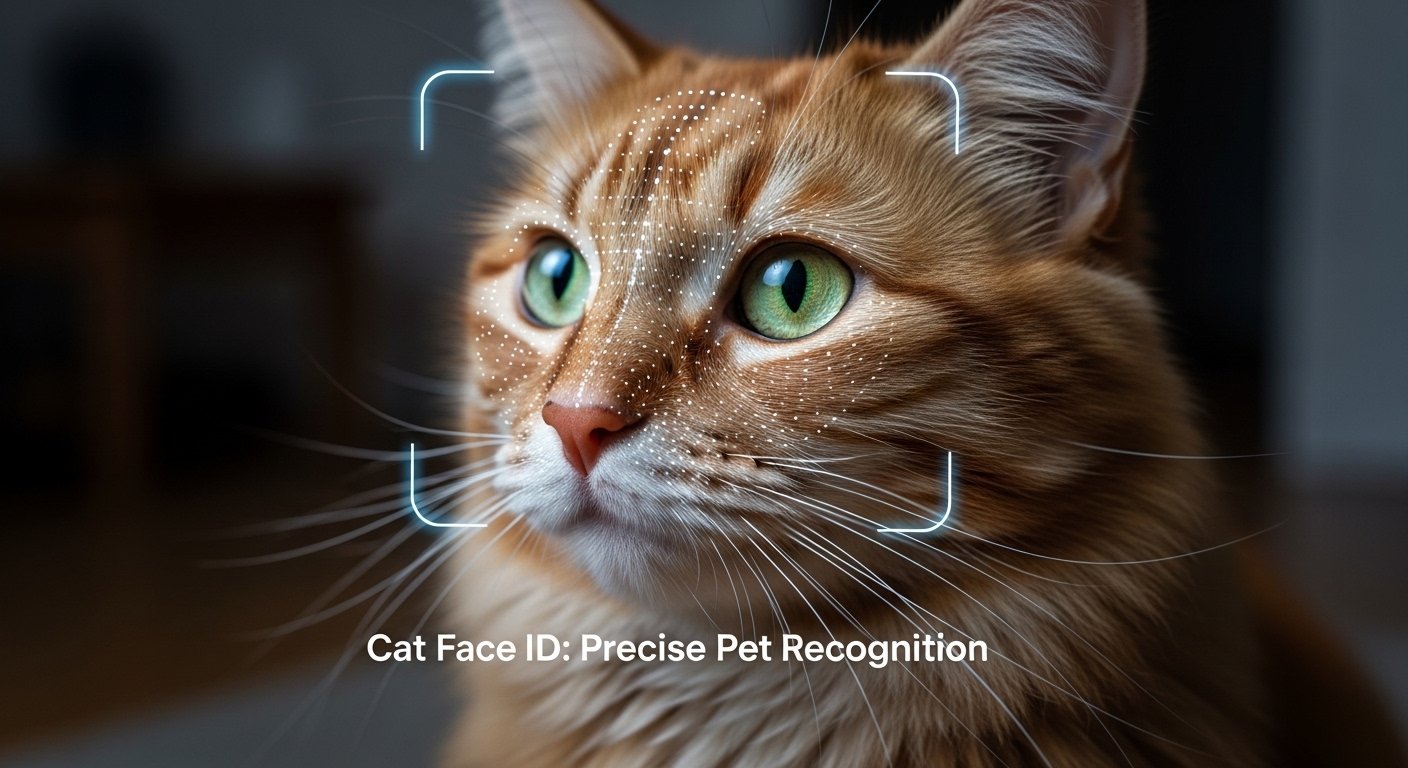
Imagine a world where your feline friend is instantly recognized by their unique facial features. No more mix-ups at the pet daycare or confusion during vet visits. Welcome to the fascinating realm of cat face ID technology! This innovative approach harnesses advanced facial recognition algorithms tailored specifically for our furry companions. Just like smartphones unlock with our faces, this technology offers a window into personalized pet care and management.
As cats become an integral part of our lives, ensuring their safety and well-being has never been more important. With cat face ID, identifying every whisker and tuft becomes easy—and it’s not just about convenience; it’s about creating a connected experience between pets and owners. Let’s dive deeper into how this groundbreaking technology works and explore its potential benefits for both cats and their humans alike!
How Does Cat Face ID Work?
Cat Face ID utilizes advanced facial recognition technology specifically tailored for our feline friends. It captures unique facial features like the shape of their eyes, ears, and nose.
When you take a photo of your cat, the software analyzes these characteristics to create a distinctive digital profile. Each cat’s face is as unique as a human fingerprint.
The system relies on machine learning algorithms that improve over time. The more images it processes, the better it becomes at recognizing your pet in various settings and lighting conditions.
Once registered, Cat Face ID can quickly identify your cat among others. This makes locating lost pets much easier or identifying them during vet visits.
This seamless integration of technology not only enhances pet care but also strengthens the bond between owners and their furry companions.
Benefits of Using Cat Face ID
Cat Face ID offers remarkable accuracy in identifying your feline companions. By analyzing unique facial features, this technology ensures that each cat is recognized with precision.
One significant benefit is the ease of tracking lost pets. With Cat Face ID, you can quickly locate a missing cat via an app linked to its profile. This rapid identification saves time and anxiety for pet owners.
Another advantage lies in personalized care. Veterinarians can access detailed health records instantly by recognizing the pet’s face. This leads to tailored treatments based on individual histories.
Additionally, Cat Face ID fosters stronger bonds between cats and their humans. Owners receive insights into their cats’ behavior patterns through monitoring systems connected to this technology.
It enhances safety measures at shelters and adoption centers by ensuring that every animal gets the attention they deserve while streamlining the adoption process.
Potential Drawbacks of Cat Face ID
While Cat Face ID technology offers many advantages, it is not without its challenges. One significant concern is the accuracy of recognition under varying conditions. Poor lighting or obstructions can lead to misidentification.
Another drawback involves the reliance on technology itself. Not every pet owner may have access to a smartphone or device capable of running Cat Face ID applications. This could leave some cats unaccounted for in critical situations.
Moreover, there’s the issue of false positives and negatives. Cats with similar facial features might get confused by the system, resulting in incorrect data that could hinder efforts to reunite lost pets with their owners.
As with any tech-based solution, users must consider potential software glitches or errors that could compromise reliability during crucial moments when identification matters most.
Privacy Concerns Surrounding Cat Face ID
As technology advances, privacy concerns inevitably arise. Cat Face ID isn’t exempt from this scrutiny. Pet owners might wonder how their cats’ facial data is stored and used.
Data security becomes paramount when discussing any form of digital identification. Are the images encrypted? Who has access to this information? These questions linger in many pet lovers’ minds.
With the increase in data breaches globally, the fear of misuse can be unsettling. Will a company’s database be vulnerable to hackers? This worry extends beyond mere inconvenience; it touches on trust between companies and consumers.
Furthermore, there’s ethical consideration regarding consent—can a cat truly agree to have its face analyzed? As cute as they are, our furry friends lack that capability. The balance between innovation and protection remains delicate in this evolving landscape of pet technology.
Other Uses for Facial Recognition Technology in the Pet Industry
Facial recognition technology is making waves beyond just cat identification. It’s being integrated into veterinary practices to enhance pet care.
Veterinarians can use this tech to quickly access a pet’s medical history. Upon recognizing the animal, they obtain vital information in seconds. This minimizes wait times and improves overall efficiency during appointments.
Shelters are also leveraging facial recognition systems for reunification efforts. Lost pets often find their way back home faster when shelters can identify them through stored images.
Additionally, businesses like grooming salons and daycares utilize this technology to streamline check-ins and track pets’ activities. It creates a more personalized experience for both pets and owners.
As innovation continues, we may see even more creative applications of facial recognition in the industry, enhancing how we interact with our furry companions.
The Future of Pet Identification with Cat Face ID
The landscape of pet identification is rapidly evolving with advancements in technology. Cat Face ID represents a significant leap forward, leveraging the power of facial recognition to enhance the way we interact with our feline companions. As this technology becomes more refined and accessible, it promises to streamline processes like veterinary visits or pet boarding.
Imagine a world where identifying your cat is as simple as taking a picture. No longer will there be confusion over which furry friend belongs to whom at shelters or during playdates. Additionally, as more pet owners adopt this technology, it could lead to better tracking of lost pets and improved chances for reunification.
Moreover, integrating Cat Face ID into smart home systems could revolutionize how we monitor our pets’ health and habits. We might soon have apps that not only recognize each cat but also provide insights based on their behavior patterns—alerting us if something seems off.
As developers continue to innovate within the realm of facial recognition for pets, it’s clear that Cat Face ID isn’t just about recognizing whiskers and fur; it’s about enhancing the bond between humans and animals while ensuring their safety and well-being in an increasingly complex world. The future holds exciting possibilities for those who cherish their beloved cats deeply.