
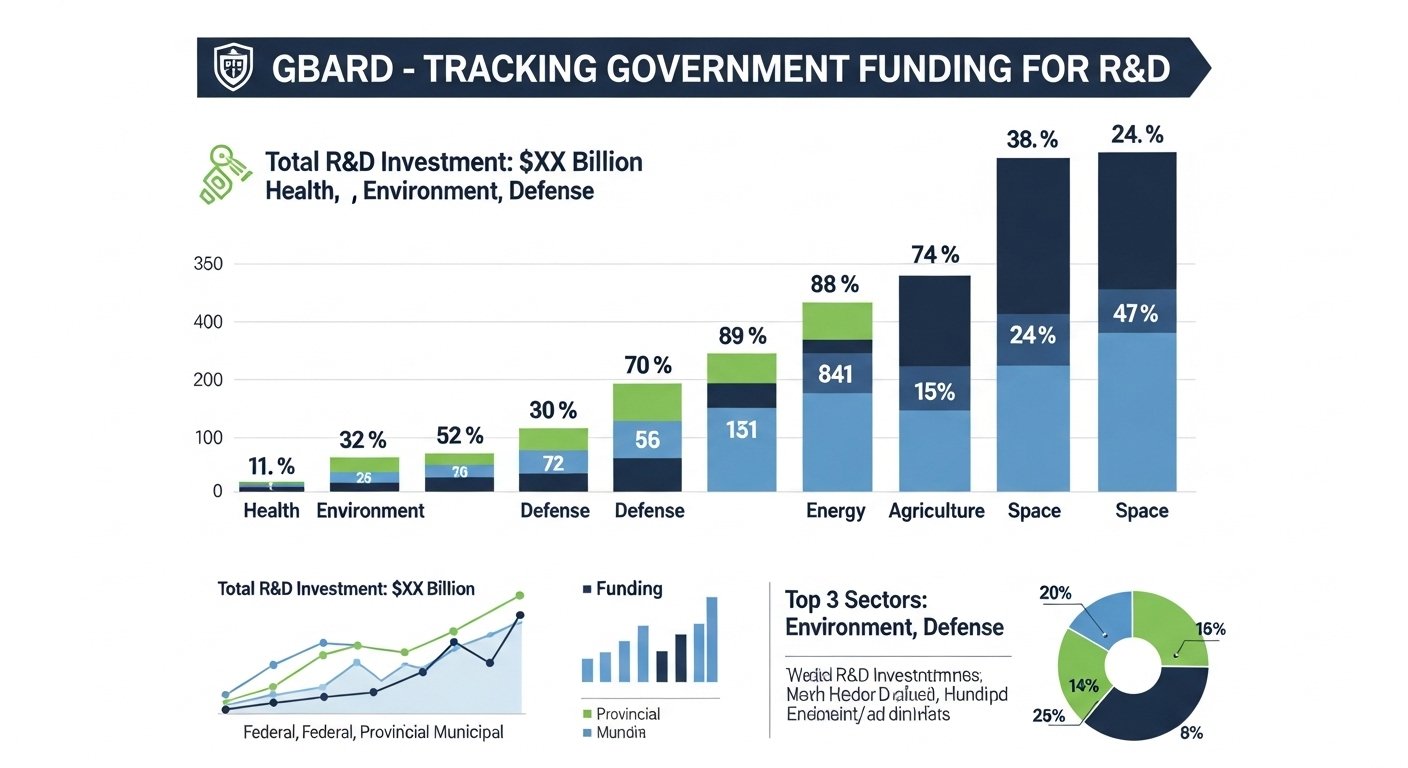
In an age where innovation drives economic growth, tracking government funding for research and development has never been more critical. Enter GBARD – the Government Budget Allocations for Research and Development system. This powerful tool not only sheds light on public investment in R&D but also empowers researchers, policymakers, and organizations to make informed decisions based on real data.
Understanding how government funds are allocated can unlock a treasure trove of opportunities for advancing scientific discoveries and technological breakthroughs. As we delve into the intricacies of GBARD, you’ll discover its significance in shaping our future through enhanced research initiatives. Join us as we explore this essential resource that stands at the intersection of finance, policy, and innovation!
The Importance of Tracking Government Funding for R&D
Tracking government funding for research and development is crucial in today’s innovation-driven economy. It offers insights into where public money flows, helping organizations align their projects with national priorities.
Understanding funding patterns can also highlight gaps in support. Researchers can then identify opportunities to fill those voids, fostering a more balanced approach to R&D.
Moreover, transparency in funding promotes accountability. Stakeholders can assess the effectiveness of investments and advocate for adjustments when necessary.
This tracking enables collaboration among different sectors—academic institutions, private companies, and non-profits—which often leads to groundbreaking advancements. By knowing what resources are available, organizations can strategically position themselves to leverage these funds effectively.
This knowledge empowers researchers and developers alike to make informed decisions that drive innovation forward.
Key Players in the GBARD System
The GBARD system involves a diverse array of stakeholders. At the forefront are government agencies that allocate funding for research and development projects. These organizations provide essential resources, helping to spark innovation.
Next in line are research institutions and universities. They play a crucial role by applying for grants, driving scientific inquiry, and advancing technology through rigorous studies.
Another key player is the private sector. Companies often collaborate with public entities to enhance their R&D capabilities, leveraging funding opportunities provided by GBARD.
Non-profit organizations contribute significantly as they help bridge gaps between government initiatives and societal needs. Their advocacy can influence policy decisions surrounding R&D funding.
Together, these players create a dynamic ecosystem that fosters collaboration and drives advancements in various fields across the country.
How GBARD Works: Step by Step Process
GBARD operates through a structured and systematic approach to track government funding for research and development.
First, it collects data from various government departments responsible for R&D expenditures. This ensures comprehensive coverage across multiple sectors.
Next, the platform categorizes the funding based on specific themes, projects, or research areas. This organization makes it easier for users to find relevant information.
Researchers can then access detailed reports outlining how funds are allocated and utilized. The transparency helps foster collaboration among institutions.
Furthermore, GBARD allows users to analyze trends over time. By examining historical data, organizations can identify patterns that inform future project proposals.
Feedback loops within the system encourage continuous improvements in funding allocation processes. By engaging stakeholders throughout this step-by-step journey, GBARD enhances its efficacy as a critical resource for researchers everywhere.
Benefits of Utilizing GBARD for Research and Development Projects
Utilizing GBARD for research and development projects offers a range of significant advantages. First, it provides a comprehensive overview of available government funding sources. This transparency helps researchers identify relevant grants and initiatives tailored to their needs.
Accessing detailed information on funding trends is another key benefit. Researchers can analyze which sectors receive more investment, enabling them to align their proposals with national priorities.
Moreover, GBARD fosters collaboration between various stakeholders in the R&D ecosystem. By connecting organizations with similar goals, it encourages partnerships that can lead to innovative solutions.
Additionally, tracking metrics related to funding allocation enhances accountability. Organizations using GBARD can ensure funds are being utilized effectively while also reporting progress back to funders seamlessly.
Leveraging this platform allows for informed decision-making within research teams. With data-driven insights at their fingertips, they can craft compelling proposals backed by solid evidence from past funding patterns.
Success Stories from Organizations Using GBARD
Organizations across various sectors have harnessed the power of GBARD to drive their R&D initiatives. For instance, a leading biotechnology firm successfully identified critical funding opportunities for vaccine development through the platform. This strategic alignment not only accelerated their project timeline but also enhanced collaboration with governmental agencies.
Another success story comes from an educational institution that utilized GBARD data to secure grants for advancing renewable energy technologies. By pinpointing relevant funding sources, they were able to expand their research capabilities and foster innovative solutions in sustainable practices.
Moreover, a non-profit organization focused on environmental conservation leveraged GBARD insights to attract investment for groundbreaking projects aimed at habitat restoration. The clear visibility into available funds enabled them to amplify their impact significantly while fostering partnerships with key stakeholders in the field.
These stories illustrate how effectively navigating government funding can transform ambitious ideas into reality when organizations use GBARD as a resourceful tool.
Challenges and Limitations of GBARD
Despite its advantages, GBARD faces several challenges. One significant limitation is the complexity of data collection. Gathering accurate information from diverse government sources can be cumbersome and time-consuming.
Another hurdle lies in the consistency of data reporting. Different agencies may use varying metrics and methodologies, leading to discrepancies that complicate analysis. These inconsistencies can hinder users’ ability to draw meaningful insights.
User access also poses a challenge. While GBARD aims for transparency, not all stakeholders have equal familiarity with navigating the system effectively. This can result in underutilization among researchers or organizations that could benefit significantly from this resource.
Additionally, funding fluctuations create uncertainty within R&D projects. Variability in government budgets affects long-term planning for research initiatives reliant on consistent support, making it difficult to execute ambitious projects without financial stability.
Future Outlook and Potential Enhancements for GBARD
The future of GBARD is bright, with exciting prospects on the horizon. As technology evolves, we can expect more sophisticated data analytics tools integrated into the platform. These enhancements will allow for deeper insights into funding trends and allocation patterns.
Moreover, user experience improvements are likely to make navigation simpler and more intuitive. This means researchers can access vital information quicker than ever before.
Collaboration features could also see an upgrade. Enabling organizations to share insights or best practices would foster a community focused on innovation.
Additionally, expanding the types of funding sources tracked may create a comprehensive overview. This expansion could include private sector contributions alongside government investments, giving users a broader perspective on R&D financing options.
These potential enhancements suggest that GBARD is poised for notable growth in its capabilities and reach within the research community.
Why Tracking Government Funding for R&D Matters
Tracking government funding for R&D is crucial for several reasons. It provides transparency and accountability, ensuring that taxpayer money is being used effectively to fuel innovation and drive progress. By monitoring these funds, stakeholders can assess the impact of research initiatives on society and determine where improvements are needed.
Moreover, understanding funding patterns helps organizations identify opportunities for collaboration and partnership. Researchers can align their projects with governmental priorities, increasing their chances of securing grants or support. This alignment promotes a more efficient use of resources across sectors.
Additionally, tracking GBARD data enables policymakers to make informed decisions about future investments in science and technology. When they have clear insights into what works and what doesn’t, it empowers them to direct funds toward high-impact areas that promise meaningful advancements.
A well-informed public fosters greater engagement in scientific discourse. Citizens become more aware of how government actions influence research landscapes—a vital component in shaping the next wave of innovations that could benefit everyone. The importance of tracking government funding through GBARD cannot be understated; it serves as not just a tool but as a foundation for fostering growth within the research community.