
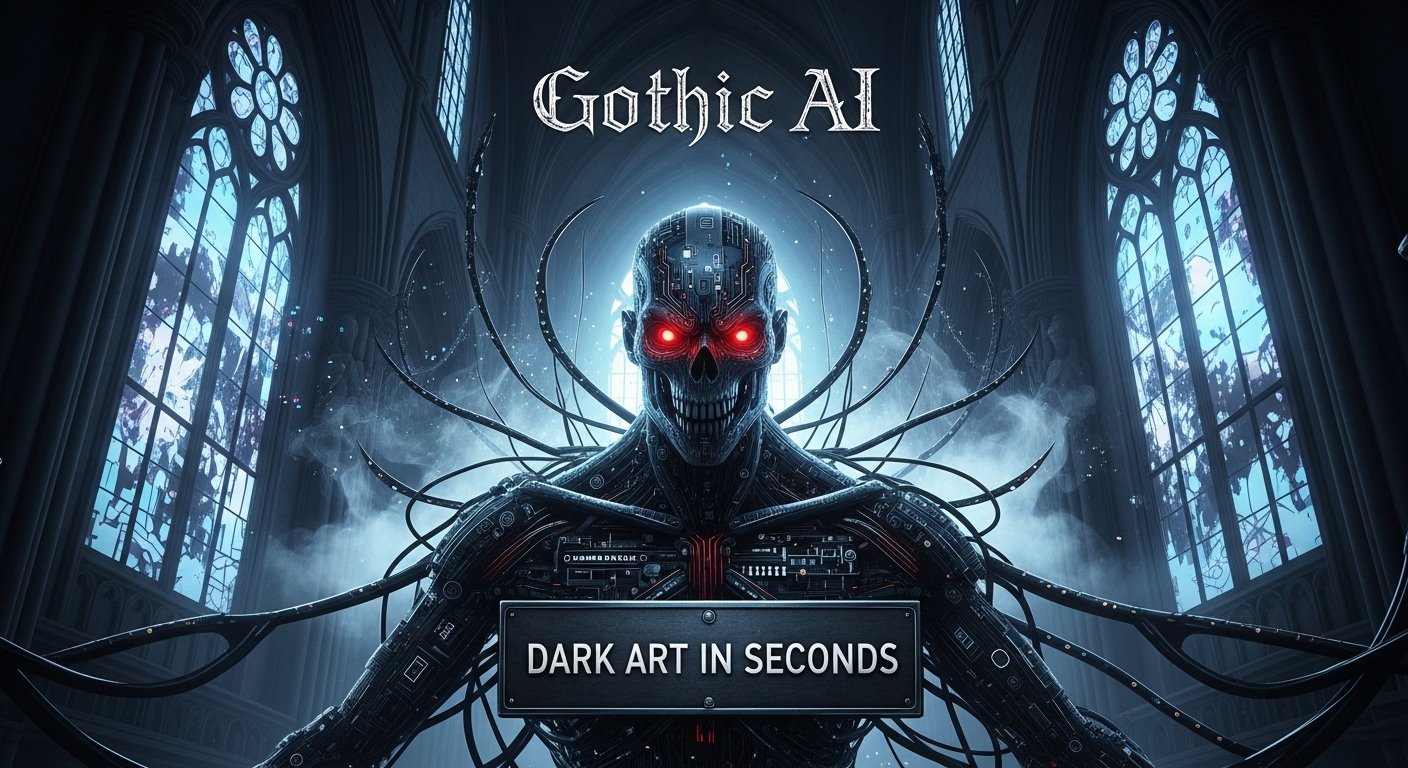
The art world is undergoing a fascinating transformation, and at the heart of this change lies Gothic AI. Imagine being able to generate hauntingly beautiful artwork in mere seconds using artificial intelligence. This innovative blend of technology and creativity has given rise to an entirely new genre—one that captivates with its dark themes and intricate designs.
As creators increasingly harness the power of algorithms, we find ourselves on the brink of a new artistic renaissance. The gothic aesthetic—a style characterized by its eerie allure—is now entering a digital realm where imagination knows no bounds. Whether you’re an artist looking for inspiration or simply curious about this technological marvel, exploring Gothic AI promises both intrigue and excitement. Join us as we delve into how artificial intelligence is redefining what it means to create art today.
The Rise of Artificial Intelligence in the Art World
The art world is experiencing a transformation. Artificial intelligence, or AI, is becoming an integral player in creative processes. Artists and technologists are collaborating like never before.
Gothic AI represents a fascinating niche within this movement. It merges dark aesthetics with cutting-edge technology to produce striking visuals that captivate audiences. The eerie allure of Gothic themes resonates deeply, making it a perfect match for digital innovation.
As more creators explore generative algorithms, unique styles emerge. Traditional boundaries blur as machines learn from vast datasets of existing artworks. This evolution challenges our understanding of authorship and creativity.
From haunting landscapes to surreal portraits, the output speaks volumes about human emotion through a mechanical lens. Audiences are intrigued by the blend of artistry and computation—opening new discussions on what constitutes art in today’s society.
How Does Gothic AI Create Dark Art?
Gothic AI harnesses the power of machine learning to create hauntingly beautiful dark art. By analyzing vast datasets of gothic imagery, it learns patterns that evoke emotions associated with darkness and mystery.
The process begins with training on existing artworks, literature, and even music that embody gothic themes. This allows the AI to understand nuances like mood, color palettes, and composition styles.
Once trained, Gothic AI generates new pieces by remixing these elements in ways that feel authentic yet innovative. Users can input specific parameters or concepts, guiding the AI’s creative flow.
Surprisingly human-like touches emerge from this technology. Shadows deepen unexpectedly; figures appear both alluring and eerie. The result is a fusion of traditional artistry with futuristic techniques capable of producing stunning visuals in mere seconds. Each piece tells its own story while remaining anchored in the rich tapestry of gothic culture.
Examples of Gothic AI Artworks
Gothic AI has given rise to a new wave of hauntingly beautiful digital pieces. One standout example is “Eclipse of Shadows,” where swirling dark clouds loom over an ethereal landscape, merging reality with the uncanny.
Another intriguing work is “Whispers of the Abyss.” This piece features ghostly figures emerging from deep shadows, evoking feelings of mystery and unease. The delicate balance between light and darkness captivates viewers instantly.
“Forgotten Temples” transports us into ancient ruins shrouded in mist. The architecture seems to come alive, almost as if it holds secrets waiting to be unveiled by curious minds.
Then there’s “Nightmare’s Embrace,” a vivid portrayal of twisted creatures lurking at the edges of sanity. Each detail draws you closer, inviting exploration into realms often left untouched by traditional art forms.
These artworks showcase Gothic AI’s ability to blend technology with themes that resonate deeply within our psyche.
Impact and Controversy Surrounding Gothic AI
Gothic AI has sparked intense debates within the art community. Many see it as a revolutionary tool, pushing boundaries and expanding the definition of creativity. Others, however, voice concerns over authenticity and originality.
Critics argue that Gothic AI lacks the emotional depth found in traditional art forms. They question whether algorithms can truly capture the human experience or simply replicate existing styles without understanding their essence.
Additionally, copyright issues arise when AI-generated pieces resemble works by established artists. This raises important questions about ownership and intellectual property in an increasingly digital landscape.
Supporters believe that Gothic AI democratizes art creation. It offers tools to those who may not have artistic training but possess imaginative ideas waiting to be expressed.
As technology evolves, so do perspectives on its role in artistic expression. The discussion surrounding Gothic AI continues to grow more nuanced with each new development.
Future Possibilities for Gothic AI in the Art World
The future of Gothic AI in the art world brims with potential. As technology advances, we can expect even more intricate and immersive artworks that challenge traditional boundaries.
Imagine virtual reality experiences where viewers interact with dark-themed landscapes generated by AI. Artists could collaborate with algorithms to create pieces that evolve over time, reflecting shifting emotions or societal changes.
Furthermore, Gothic AI might pave the way for personalized art creation. Individuals could input their thoughts or feelings, allowing the AI to craft a unique piece tailored just for them.
Ethical discussions will also shape this evolution. The dialogue around originality and ownership in digital spaces will be crucial as artists navigate these new tools.
As Gothic aesthetics gain traction among younger generations, blending tradition with innovation may lead to groundbreaking movements within contemporary art scenes worldwide.
The Intersection of Technology and Creativity
The intersection of technology and creativity has never been more exciting. Gothic AI stands at this crossroads, merging the dark allure of gothic art with cutting-edge artificial intelligence. It challenges traditional notions of artistry while pushing boundaries we once thought were firmly established.
As artists harness these advanced tools, they create works that resonate on emotional levels often difficult to achieve through conventional methods. The fluidity between human input and AI-generated output fosters a unique dialogue in the creative process. This collaboration not only enhances artistic expression but also invites audiences to engage with art in new ways.
With every brushstroke digitally rendered by intelligent algorithms, there lies an exploration into what it means to be an artist today. As technology continues to evolve, so too will the genres it influences—gothic art included. As we look ahead, one can’t help but wonder how deep this partnership between man and machine might go.
Gothic AI is merely a glimpse into a future where imagination knows no bounds—where darkness meets light through innovation—and where anyone can become an artist in their own right.