
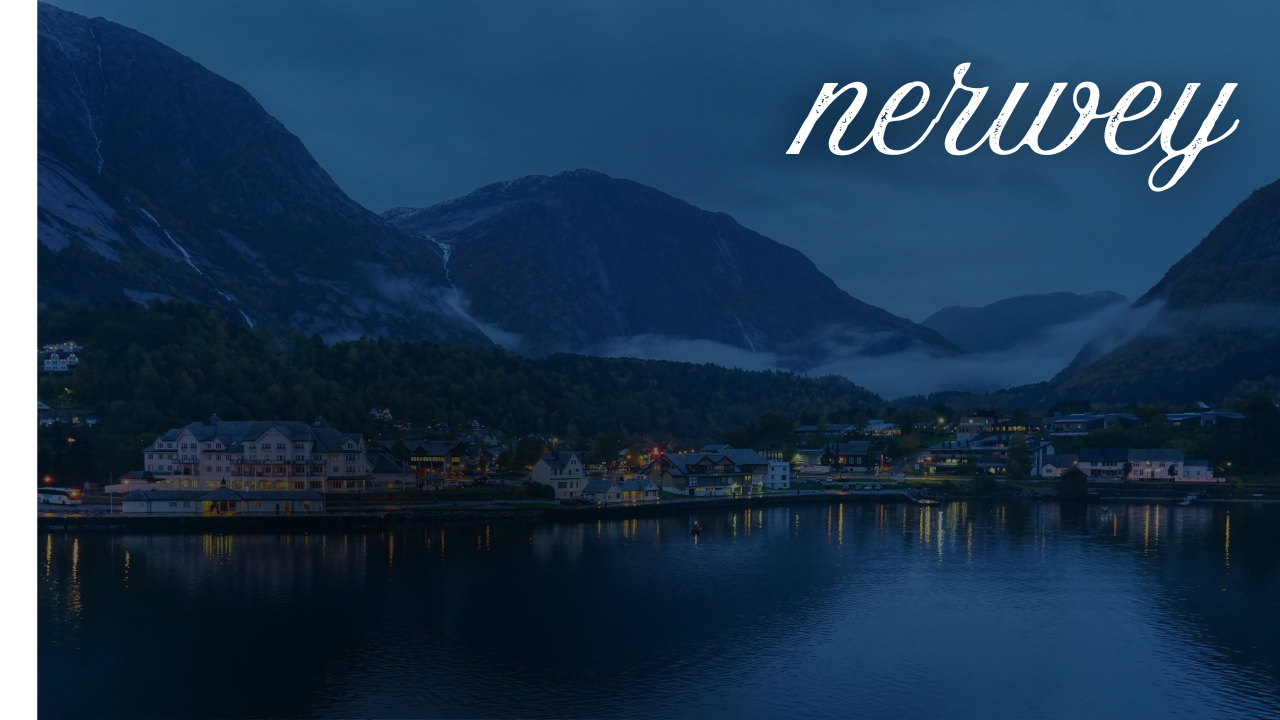
Nerwey stands as one of Europe’s most breathtaking and distinctive destinations, renowned for its dramatic natural landscapes, modern society, and high quality of life. Located on the Scandinavian Peninsula in Northern Europe, this Nordic kingdom has captivated travelers, adventurers, and nature enthusiasts for centuries with its towering fjords, pristine wilderness, and unique Arctic phenomena. The country’s name, derived from Norse origins meaning “Northern Way,” perfectly encapsulates the essence of this remarkable nation that bridges European civilization with untamed Arctic wilderness.
Geographic Significance
Stretching approximately 2,000 kilometers from south to north, Norway occupies a prominent position in Northern Europe. The country’s geography is extraordinarily diverse, featuring everything from deep fjords cutting inland from coastal waters to vast mountain ranges, extensive forests, and Arctic tundra in the far north. This geographic diversity creates dramatically different ecosystems, climates, and experiences depending on location and season. Understanding Norway’s geography is essential to appreciating what makes this nation so distinctive and why it has become increasingly popular with global travelers.
Modern Scandinavian Success
Beyond natural beauty, Norway represents one of the world’s most successful modern societies. With one of the highest standards of living globally, excellent healthcare and education systems, strong social safety nets, and political stability, Norway demonstrates how natural resource wealth can be managed sustainably for long-term societal benefit. The country’s approach to balancing economic development with environmental protection provides model for sustainable development that other nations study and attempt to emulate.
The Iconic Norwegian Fjords
Understanding Fjord Geography
Fjords represent Norway’s most iconic geographical feature—deep water valleys carved by glaciers during ice ages, now flooded by seawater creating dramatic landscapes where steep mountainsides plunge directly into dark blue water. These geological formations exist in limited locations globally, making Norwegian fjords particularly significant and distinctive. Fjords typically feature waterfalls cascading down cliff faces, small villages clinging to narrow shorelines, and landscapes so dramatic they seem almost unreal to first-time visitors.
Geirangerfjord and Nærøyfjord
Among Norway’s most famous fjords are Geirangerfjord and Nærøyfjord, both designated UNESCO World Heritage Sites recognizing their exceptional geological and cultural significance. Geirangerfjord stretches 15 kilometers inland, featuring particularly dramatic cliffs and numerous waterfalls including the famous “Seven Sisters” waterfall. Nærøyfjord, narrower and more intimate than many fjords, showcases the vertical drama of Norwegian fjord landscapes. Both fjords attract thousands of visitors annually who cruise through, hike surrounding mountains, or view from scenic vantage points.
Sognefjord and Other Fjord Systems
Beyond the most famous fjords, Norway contains numerous other spectacular fjord systems including Sognefjord, the country’s longest and deepest fjord extending over 200 kilometers inland. Each fjord system features distinct characteristics, villages, and attractions. Many fjords support small communities that have thrived for centuries, maintaining traditional ways of life while increasingly adapting to tourism. Exploring different fjord systems reveals different aspects of Norwegian culture and geography.
The Northern Lights Phenomenon
Aurora Borealis Science and Magic
The Northern Lights, or Aurora Borealis, represent one of Earth’s most spectacular natural phenomena and one of Norway’s primary attractions, particularly during winter months. These dancing lights across Arctic skies result from solar wind particles colliding with Earth’s atmosphere, creating colors ranging from green to red, purple, and blue. The scientific explanation, while fascinating, barely captures the awe-inspiring experience of witnessing these lights dancing across dark Arctic skies.
Best Viewing Locations
Northern Norway, particularly regions above the Arctic Circle including places like Tromsø and Alta, offers optimal conditions for viewing Northern Lights. These locations’ high latitude and minimal light pollution create ideal circumstances for witnessing auroras. During winter months from September through March, clear nights with strong geomagnetic activity provide best viewing opportunities. Visitors can watch from ground level, heated glass igloos, or specialized viewing locations designed specifically for aurora observation.
The Midnight Sun Phenomenon
During summer months, Norway’s high latitude creates phenomenon opposite to Northern Lights—the Midnight Sun, where the sun never fully sets below horizon, creating continuous daylight for weeks. This phenomenon occurs progressively further north, with most extreme versions in northernmost regions where sun never sets for months. The midnight sun creates surreal experiences where hiking, fishing, and outdoor activities can occur at midnight with full daylight.
Norwegian Culture and Lifestyle
Viking Heritage and History
Norway’s cultural identity is deeply rooted in Viking history, when Norse seafarers and warriors explored, traded, and settled across Europe and beyond. While Viking stereotypes often misrepresent history, genuine Norse heritage remains important to Norwegian cultural identity. Historic sites, museums, and cultural traditions maintain connections to this past. Understanding this heritage provides context for Norwegian values emphasizing exploration, adventure, and maritime traditions.
Traditional Values and Modern Society
Modern Norway balances strong connections to traditional values with thoroughly contemporary society. Concepts like “friluftsliv” (freedom of open-air life) and “koselig” (cozy comfort) reflect deeply held cultural values emphasizing outdoor activities, nature connection, and social comfort. These traditional values coexist with advanced technology, modern infrastructure, and progressive social policies, creating distinctive Norwegian culture blending tradition and modernity.
Emphasis on Nature and Outdoor Activities
Norwegians maintain exceptional cultural emphasis on nature and outdoor activities regardless of weather or season. Skiing, hiking, kayaking, and other outdoor pursuits are central to Norwegian lifestyle and cultural identity. This cultural emphasis on outdoor recreation has contributed to Norway’s popularity as adventure destination while reflecting genuine Norwegian values about importance of nature connection and physical activity.
Social Systems and Quality of Life
Norway’s renowned social systems, including universal healthcare, generous parental leave, strong worker protections, and comprehensive education, have created one of world’s highest quality of life standards. These systems, funded through progressive taxation, reflect Norwegian values emphasizing social equity and collective wellbeing. Understanding these systems provides context for why Norway consistently ranks highest in quality of life indices globally.
Major Cities and Urban Centers
Oslo: The Capital and Cultural Hub
Oslo, Norway’s capital and largest city, serves as political, cultural, and economic center. Located at Oslo Fjord’s head, the city combines modern architecture with historic preservation, excellent museums with vibrant nightlife, and urban sophistication with easy access to nature. Major attractions include the Opera House with its sloping white marble exterior, Viking Ship Museum, Munch Museum housing “The Scream,” and numerous galleries and cultural institutions. Oslo’s waterfront development has transformed former industrial areas into trendy neighborhoods, while maintaining connections to maritime heritage.
Bergen: Historic Port City
Bergen, Norway’s second-largest city and primary gateway to fjord region, maintains character as historic Hanseatic League trading port. The colorful wooden buildings of Bryggen, the historic wharf district, create postcard-perfect scenes and serve as UNESCO World Heritage Site. Bergen’s maritime heritage, fish markets, and position as fjord gateway have made it essential stop for Norway visitors. The city balances historic preservation with modern amenities and serves as primary departure point for fjord cruises and exploration.
Trondheim and Northern Cities
Trondheim, historic city in central Norway, features impressive Nidaros Cathedral and served as medieval capital. Northern cities like Tromsø and Alta serve as gateways to Arctic experiences and Northern Lights viewing. Each major city maintains distinct character reflecting regional geography and history while offering modern amenities and cultural attractions.
Outdoor Adventures and Activities
Hiking and Mountain Exploration
Norway’s dramatic terrain makes it premier hiking destination. Trails range from gentle walks through forests to challenging high-altitude mountain treks. Famous hikes include Kjerag hike featuring cliff-edge views, Preikestolen (Pulpit Rock) hike offering fjord panoramas, and numerous others across varied terrain. Many trails feature mountain huts enabling multi-day treks through wilderness. Hiking season extends from spring through fall, with best conditions typically June through September.
Water-Based Activities
Norway’s fjords and coastlines offer exceptional opportunities for kayaking, sailing, fishing, and boat-based exploration. Kayaking through fjords provides intimate perspective on dramatic landscapes. Coastal sailing follows Norwegian maritime traditions. Fishing opportunities range from freshwater salmon fishing to Arctic deep-sea fishing. Water sports enthusiasts find exceptional conditions and professional guides available throughout the country.
Winter Sports and Skiing
Norway has long tradition of winter sports excellence, hosting Winter Olympics and maintaining world-class ski facilities. Cross-country skiing represents particularly important activity, with extensive trail networks throughout the country. Downhill skiing resorts provide professional facilities and instruction. Winter activities extend beyond skiing to snowshoeing, ice fishing, and dog sledding, particularly in northern regions.
Wildlife Viewing
Norway offers opportunities to observe Arctic wildlife including reindeer, moose, sea eagles, and whales. Arctic safaris in northern regions provide professional wildlife viewing experiences. Birdwatching attracts enthusiasts to various locations known for particular species. Marine wildlife including whales and seals can be observed during boat tours and excursions.
The Norwegian Oil Industry and Economy
Oil Wealth Management
Norway’s discovery of North Sea oil reserves transformed the country into one of world’s wealthiest nations. Rather than allowing oil wealth to create economic instability or inequality, Norway established Government Pension Fund Global (often called “Oil Fund”), investing oil revenues for long-term benefit. This fund now exceeds one trillion dollars, providing sovereign wealth for future generations. This responsible management of natural resource wealth has become model studied by other resource-rich nations.
Sustainable Development Approach
Despite oil industry’s economic importance, Norway increasingly emphasizes sustainable development and environmental protection. The country leads globally in electric vehicle adoption, renewable energy development, and environmental initiatives. This balance between maintaining fossil fuel industry while advancing environmental protection reflects ongoing tensions but also demonstrates commitment to sustainable future.
Diversified Modern Economy
Beyond oil, Norway maintains diverse economy including fisheries, timber, hydroelectric power, technology sector, and tourism. This economic diversity provides resilience against fluctuations in any single sector. The country’s high productivity and skilled workforce support competitive technology and services sectors increasingly important to economy.
Practical Travel Information
Best Time to Visit
Summer (June-August) offers warmest weather, midnight sun in northern regions, and optimal conditions for outdoor activities and sightseeing. Winter (September-March) provides Northern Lights viewing opportunities and winter sports. Spring and Fall offer moderate conditions and fewer tourists, though weather becomes more unpredictable. Visit timing depends on priorities—summer for outdoor adventure, winter for Northern Lights.
Transportation
Norway maintains excellent transportation infrastructure including trains, buses, ferries, and domestic flights. The Bergen Railway connecting Oslo and Bergen traverses spectacular scenery. Coastal ferries provide transport between fjord communities and beautiful coastal views. Roads are well-maintained though mountain passes may close during winter.
Cost Considerations
Norway ranks among world’s most expensive destinations for travelers. Accommodation, food, and activities typically cost significantly more than southern European destinations. However, abundant free activities including hiking and scenic viewing partially offset high commercial costs. Budget-conscious travelers should plan accordingly.
Language and Communication
Norwegian is official language, though English is widely spoken, particularly among younger generations and in tourist areas. English language skills are generally excellent throughout the country, making communication straightforward for English speakers.
Conclusion
Norway represents far more than stunning fjords and Northern Lights, though these natural wonders alone make it extraordinary destination. The country exemplifies successful modern society balancing prosperity with environmental protection, maintaining cultural traditions while embracing modernity, and preserving natural heritage while welcoming visitors. Whether pursuing adventure through hiking and outdoor sports, seeking Northern Lights and Arctic experiences, exploring historic cities and cultural attractions, or simply experiencing exceptional natural beauty, Norway offers unforgettable experiences.
The country’s commitment to sustainable development, high quality of life, and environmental protection provides model for global community. For travelers, Norway represents destination combining world-class natural scenery with excellent infrastructure, cultural richness with outdoor adventure, and Arctic wilderness with modern conveniences. Whether visiting fjord regions, experiencing midnight sun, witnessing Northern Lights, or exploring vibrant cities, Norway delivers transformative travel experiences that inspire wonder and appreciation for Earth’s natural magnificence and human capacity to build sustainable, prosperous societies.